Regulations and consents
Listed building consent for interior alterations in England: what the 1990 Act covers, the process and the penalties
Listing protects the whole of a building, inside as well as out, so an interior designer's proposal to strip panelling, open a wall or replace a staircase in a listed house needs listed building consent before work starts. This article sets out what section 7 of the Planning (Listed Buildings and Conservation Areas) Act 1990 requires, how the three grades are distributed, the fee-free eight-week application, and the six-month and two-year custodial maximums in section 9.
Does interior work to a listed building need consent?
Interior work to a listed building in England needs listed building consent whenever it amounts to works of alteration or extension in any manner which would affect the building's character as a building of special architectural or historic interest, because section 7 of the Planning (Listed Buildings and Conservation Areas) Act 1990 states that no person shall execute or cause to be executed such works unless they are authorised.
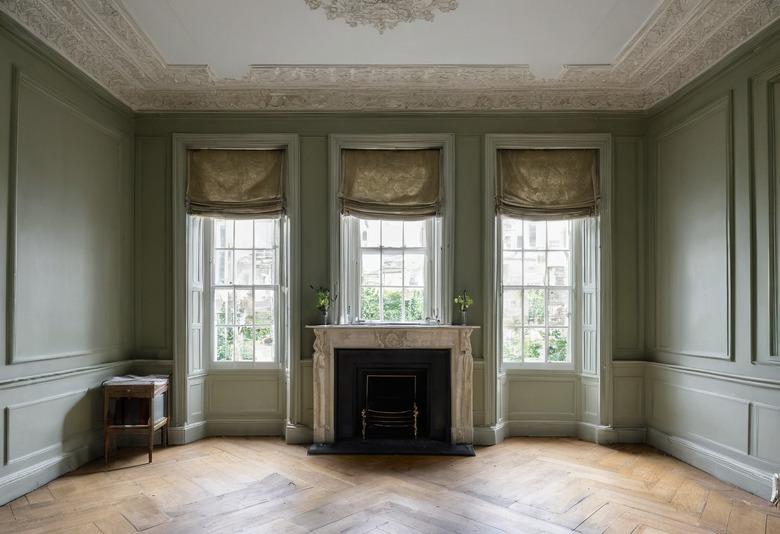
The Act attaches the protection to the whole building. Section 1 defines a listed building as one included in a list compiled or approved by the Secretary of State, and extends the definition to any object or structure fixed to the building and to any object or structure within its curtilage which, although not fixed to the building, forms part of the land and has done so since before 1 July 1948. Ipswich Borough Council's guidance to owners puts the interior point plainly: listing covers all of the building, including its interior, and often applies to later additions and alterations whether or not the list description mentions them. The council adds that interiors are rarely described in list entries and that the absence of a feature from the description does not mean it can be removed or altered without consent.
Planning permission is a separate question. The Planning Portal states that internal alterations, including building or removing an internal wall, do not need planning permission, but that an owner of a listed building needs listed building consent for any significant works, whether internal or external.
What do Grade I, Grade II* and Grade II mean for interior work?
Listed buildings in England fall into three grades, with Grade I covering 2.5 per cent of listed buildings nationally, Grade II* 5.8 per cent and Grade II 91.7 per cent, according to Ipswich Borough Council, and the council states that the listed building controls apply to all buildings equally, irrespective of grade.
The grades describe importance, not the scope of control. Grade I buildings are of exceptional interest, Grade II* buildings are particularly important buildings of more than special interest, and Grade II buildings are of special interest. Section 1 of the Act allows the Secretary of State, when deciding whether to list, to take into account the contribution of the exterior to a group and the desirability of preserving any man-made object or structure fixed to the building or within its curtilage, which is why fixtures such as chimneypieces and fitted joinery are treated as part of the listed building.
| Grade (Ipswich Borough Council, citing national figures) | Definition | Share of listed buildings |
|---|---|---|
| Grade I | Buildings of exceptional interest | 2.5 per cent |
| Grade II* | Particularly important buildings of more than special interest | 5.8 per cent |
| Grade II | Buildings of special interest | 91.7 per cent |
A Grade II house is therefore the normal case for an interior designer, and the consent test for its interior is the same section 7 test that applies to a Grade I cathedral.
Which interior alterations typically trigger consent?
Consent is triggered by works to the interior that affect the special interest of the building, which Ipswich Borough Council describes as including demolition, alterations and extensions to the building, expressly including works to the interior, and the council states that it is a criminal offence to instruct or carry out such works without first obtaining consent.
The Act does not publish a list of interior jobs, and each local planning authority reads section 7 against the particular building, so the safe test is whether the proposed work touches historic fabric or the plan form. Ipswich Borough Council advises owners who are unsure whether consent is required to contact the council before starting, and states that listing does not prevent alteration but exists to ensure that alterations are sympathetic to the character and special interest of the building. The Planning Portal's internal walls guidance, which says removing or building an internal wall in a listed building needs consent where the work is significant, indicates the kind of interior change that authorities treat as affecting character.
- Removing, moving or opening up internal walls, which the Planning Portal identifies as needing consent in a listed building.
- Works to fixtures that section 1 treats as part of the building, such as items fixed to the building.
- Works to later additions, which Ipswich Borough Council states are often covered by the listing whether or not the list description mentions them.
- Works to structures within the curtilage that have formed part of the land since before 1 July 1948, which section 1(5) brings within the definition.
Because the word "instruct" appears in the council's description of the offence, a client who commissions a designer or builder to carry out unauthorised works is exposed as well as the person holding the tools.
How does the application process work and what does it cost?
An application for listed building consent carries no fee, and the local planning authority should grant or refuse it within 8 weeks of validating the application, a period that includes a 21-day consultation in which neighbours and interested parties can comment, according to the Planning Portal.
Fees arise only where the listed building consent application is combined with a full or householder planning application, in which case the fee of the other consent type applies. The Planning Portal describes online submission through the portal as the best way to apply, with applications also accepted directly by local authorities. The eight-week clock starts at validation, not at submission, so an application with missing drawings or an inadequate heritage description can add weeks before the period begins.
| Listed building consent step (Planning Portal) | Figure |
|---|---|
| Application fee | None |
| Fee if combined with a planning application | The planning application fee applies |
| Target decision period | 8 weeks from validation |
| Consultation period within the 8 weeks | 21 days |
| Where to apply | Planning Portal online, or the local planning authority |
A designer's timetable on a listed house therefore starts with the consent application, and the two-month notice under the Party Wall etc. Act 1996 and the Building Regulations application, described in the article on Building Regulations for interior work in England, can run in parallel with it.
What are the penalties for unauthorised works?
A person who contravenes section 7 is guilty of an offence under section 9 of the 1990 Act, punishable on summary conviction by imprisonment for a term not exceeding six months or a fine or both, and on conviction on indictment by imprisonment for a term not exceeding two years or a fine or both.
Section 9(2) creates a second offence for anyone executing works under a listed building consent who fails to comply with a condition attached to it. Section 9(5) directs the court, when setting a fine, to have particular regard to any financial benefit which has accrued or appears likely to accrue to the offender from the offence, so the uplift in value from an unauthorised alteration feeds directly into the penalty. The Act provides a defence in section 9(3) where the works were urgently necessary in the interests of safety or health or for the preservation of the building, subject to the further conditions in that subsection.
| Offence (section 9, 1990 Act) | Summary conviction | Conviction on indictment |
|---|---|---|
| Contravening section 7 (works without consent) | Up to 6 months' imprisonment, or a fine, or both | Up to 2 years' imprisonment, or a fine, or both |
| Failing to comply with a condition of a consent | Up to 6 months' imprisonment, or a fine, or both | Up to 2 years' imprisonment, or a fine, or both |
| Fine assessment | Court has regard to financial benefit from the offence | Court has regard to financial benefit from the offence |
How do Building Regulations and VAT interact with listed status?
Listed building consent does not replace Building Regulations approval, because GOV.UK states that Building Regulations approval is different from planning permission and that a project might need both, and the Building Regulations continue to govern the structure, fire safety, electrics and energy performance of the work inside a listed house.
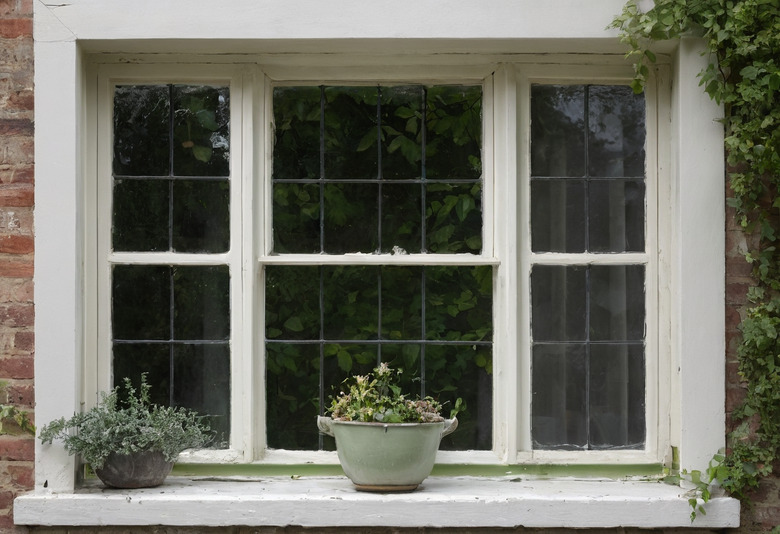
The interaction matters most for windows and energy work. Approved Document L Volume 1 sets a 1.4 W/(m2.K) limit for replacement windows in an existing dwelling, while listed building consent controls whether the window may be replaced at all, so a designer needs both answers before specifying. On VAT, the reduced rate of 5 per cent depends on the property's occupancy history and on conversions, not on listed status: VAT Notice 708 applies 5 per cent to a dwelling that has not been lived in for the 2 years before the work starts, and design fees stay at 20 per cent in all cases, as explained in the article on what an interior designer costs in the UK.
What should a client agree with a designer before work starts on a listed house?
A client planning interior work to a listed house should confirm the list entry, ask the local planning authority whether the proposed works need consent, and write the consent process into the designer's contract before any fee for construction drawings is incurred, because section 7 attaches the requirement to the works and section 9 attaches the penalty to whoever executes or causes them.
- Confirm the grade and the list entry, remembering that Ipswich Borough Council's guidance states that interiors are rarely described and are protected all the same.
- Contact the local planning authority's conservation officer before the design is fixed, as the council guidance advises for any uncertain case.
- Allow at least 8 weeks from validation for the consent decision, plus the time to assemble drawings and a description of the works.
- Record in the design contract who prepares and submits the application, since the BIID client guide states that the scope of a designer's services varies between studios.
- Apply for Building Regulations approval separately where the work involves structure, electrics, windows or fire safety.
- Confirm who will act as principal designer under CDM 2015 if more than one contractor will be on site, as described in the article on CDM 2015 for domestic clients.
Questions readers ask about listed building consent for interiors
Do internal alterations to a listed building need consent?
Yes, where the works would affect the building's character as a building of special architectural or historic interest. Section 7 of the 1990 Act covers demolition, alteration and extension in any manner that affects that character, and listing covers the interior as well as the exterior.
Is there a fee for listed building consent?
No. The Planning Portal states that there is no fee for an application for listed building consent, although fees may arise from a full or householder planning application submitted at the same time.
How long does a listed building consent decision take?
The Planning Portal states that listed building consent should be granted within 8 weeks from the date the local planning authority validates the application, and that the period includes a 21-day consultation.
What is the penalty for altering a listed building without consent?
Section 9 of the 1990 Act makes it an offence. On summary conviction the maximum is six months' imprisonment or a fine or both; on conviction on indictment it is two years' imprisonment or a fine or both, and the court must have regard to any financial benefit from the offence when setting a fine.
Does Grade II listing give more freedom inside than Grade I?
No. Ipswich Borough Council's guidance states that listed building controls apply to all buildings equally, irrespective of their grade. Grade II covers 91.7 per cent of listed buildings nationally, Grade II* 5.8 per cent and Grade I 2.5 per cent.